
A pick pack throughput benchmark apparel operators can actually use: what units per hour, order accuracy, and dock-to-stock times a healthy 3PL should hit for DTC, wholesale, and drops, and when to escalate.

A warehouse transition inventory apparel playbook: the exact sequence to move DCs or swap 3PLs without losing inventory truth, and the reconciliation controls that keep oversell rates from spiking during cutover.

A bin location rule apparel warehouse teams can actually trust defines which SKU goes into which bin, in what quantity, under what pick priority. Get it wrong and your inventory count is right on paper but wrong on the floor.

A negative inventory event apparel operators dread is when your system records a stock level below zero, which almost always signals a broken sync between Shopify, your 3PL, and wholesale. Here is how to diagnose and prevent them at scale.

Splitting stock across two or more warehouses is the single biggest threat to inventory accuracy for a growing apparel brand. Here is why multi-location accuracy decays, the math that makes it worse for fashion, the three signals of drift, and the operating model that holds accuracy steady across every location in 2026.

A stock reservation window apparel teams set at 30 or 60 minutes works fine in March and collapses during a drop or trade show. Here is why the window breaks, and what to architect instead.

A reverse logistics loop in apparel is the closed cycle a returned unit travels before it is sellable again. When that loop runs slow or opaque, reverse logistics apparel returns inventory drift apart, and your available-to-sell numbers quietly lie.

How many tools apparel brand operations teams run is the question nobody audits until reporting breaks. Most $10M to $20M brands run between 8 and 14 systems plus spreadsheets, and the cost shows up in reconciliation hours, oversells, and reactive reporting.

Adding Amazon Vendor Central to your apparel operations exposes weaknesses in inventory truth, order flow, and chargeback exposure that DTC and traditional wholesale never surfaced. Here is what actually breaks and how to architect around it.

Monthly inventory reconciliation in apparel does not have to take days. This guide breaks down why monthly inventory reconciliation apparel teams run is slow, where the hours actually go, and the architectural changes that move it from a multi-day audit to a few hours.
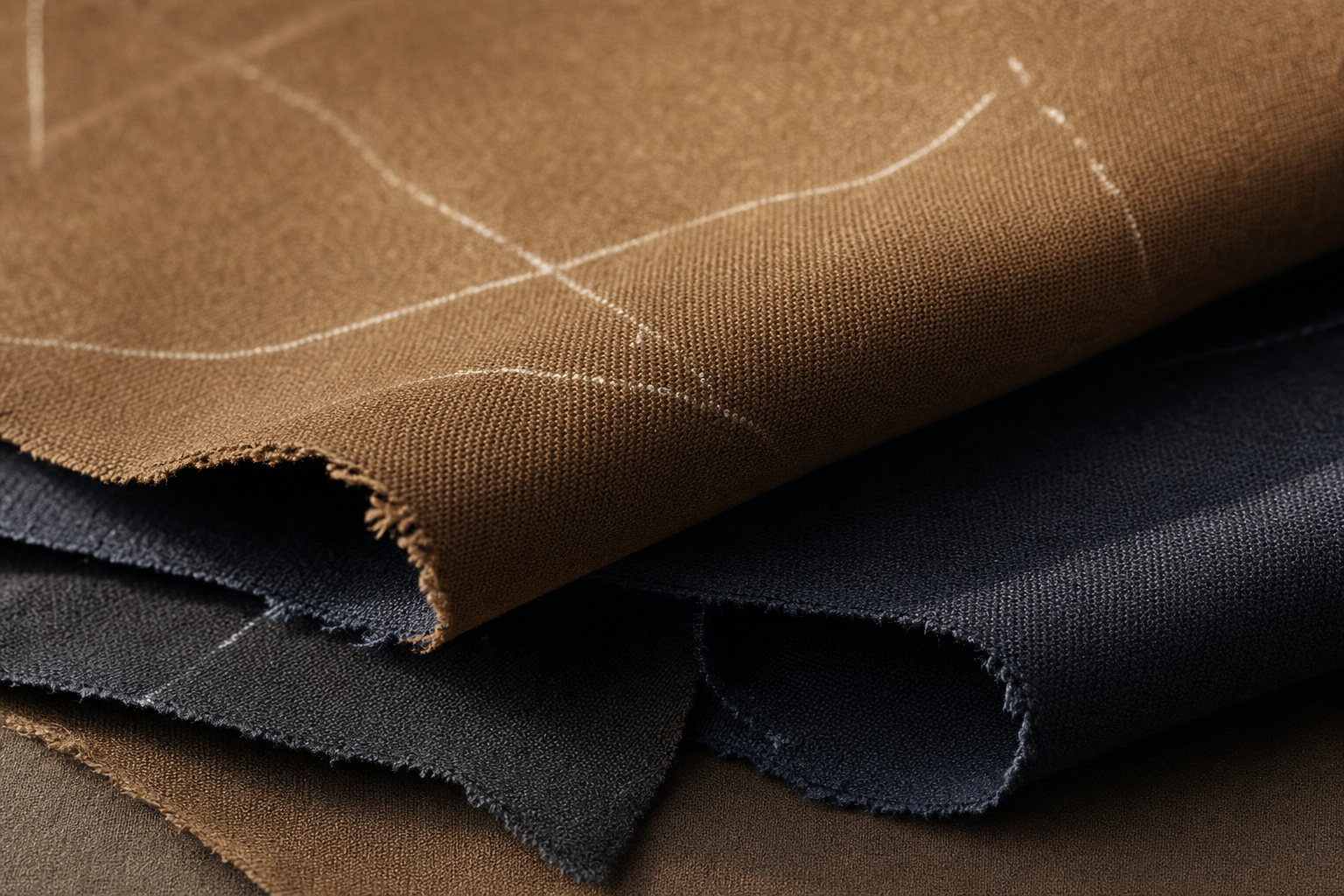
A bom rollup apparel production teams rely on aggregates fabric, trim, and labor costs across a style's size and color matrix. When the rollup drifts from reality, margin erodes silently before the first cut ticket is issued.

The apparel pre-book cycle wholesale teams depend on is the structured sales window where retailers commit to a future season before production. When it breaks, every downstream decision (production volumes, fabric buys, delivery dates) is built on guesswork.
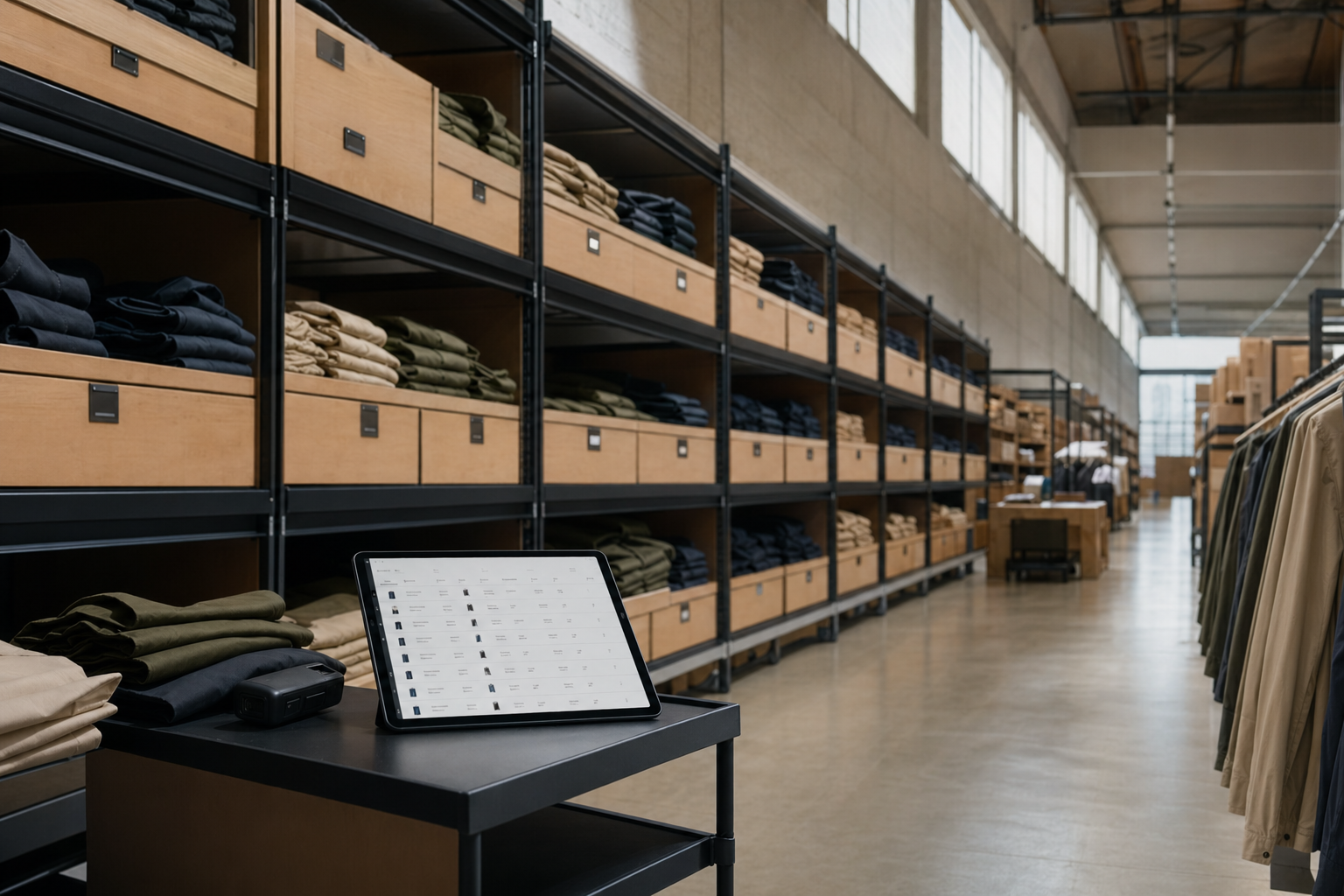
Learn how to fix inventory truth across Shopify and 3PL when your storefront says one thing, the warehouse says another, and customer service is stuck in the middle. A diagnostic look at why the gap appears and what an operations team can do about it.

The 3PL blind spot is the operational gap between what your apparel ERP says you have and what your 3PL physically holds, picks, ships, and receives. It is not a sync bug. It is the architectural reality of running operations across two systems of record. Here is what it costs, where it shows up, and how to fix it.
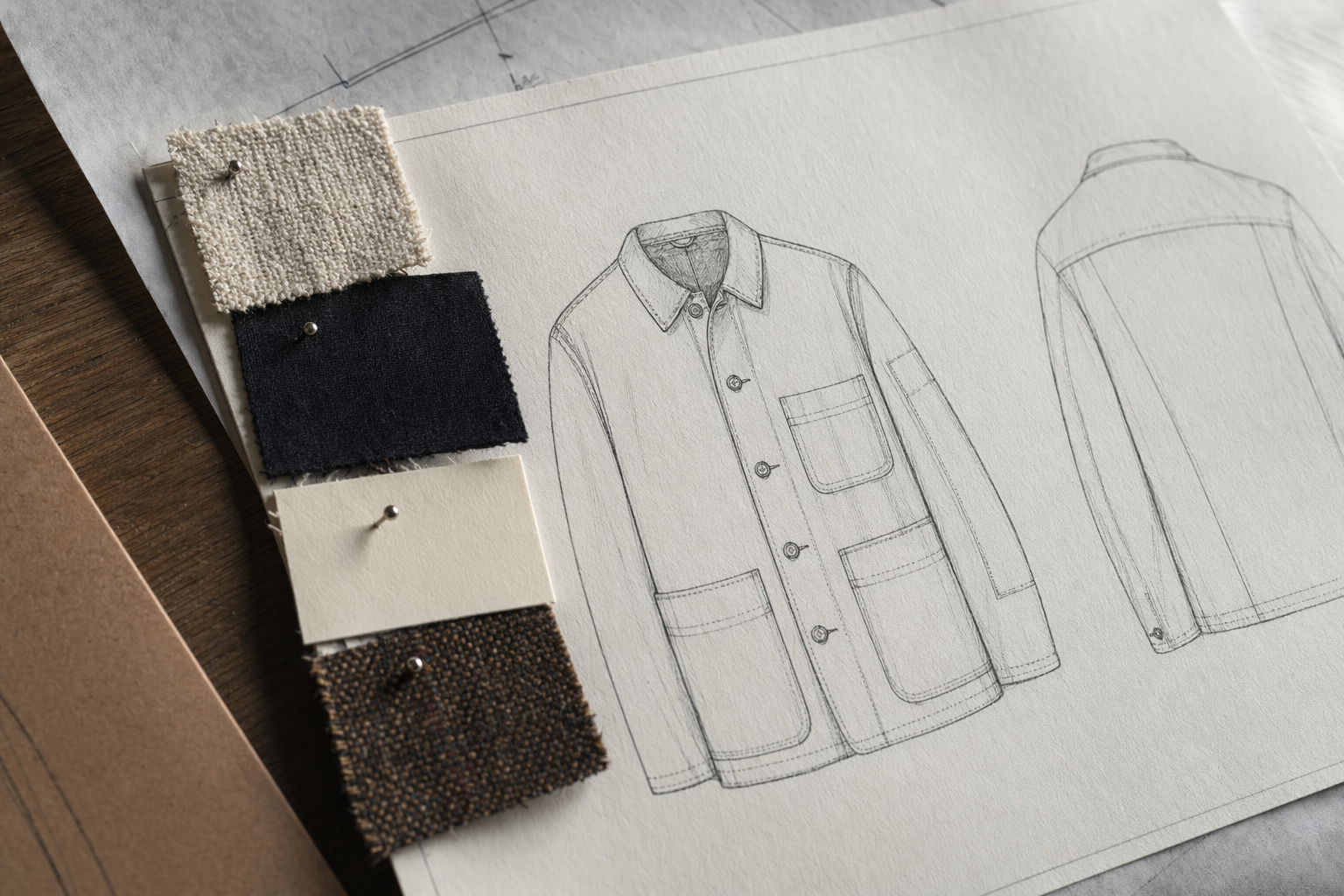
Centric and PTC are excellent apparel PLM platforms, for enterprise apparel brands with 12-month implementation budgets. For mid-market apparel brands, the best PLM is usually not a standalone PLM at all. Here is the honest 2026 comparison and the decision framework.

The sales-data synchronisation problem for mid-market apparel is not about feeds or APIs. It is about one inventory ledger that every channel reads from and writes to. Here is the architecture that holds, the data model that does not, and the specific failure modes to engineer out.

The best apparel ERP for brands working with a 3PL resolves the three classic 3PL pain points: stale inventory syncs, opaque order status, and reconciliation at month-end. Here is the 2026 shortlist, how the platforms compare on 3PL depth, and the decision framework.

Running wholesale and DTC on the same inventory pool is the operational model most growing apparel brands fall into. Few do it well. Here is the allocation playbook, the systems architecture that holds, and the specific mistakes that cost brands oversells and wholesale relationships.

The best apparel ERP for wholesale + DTC brands is the one that runs both channels against one inventory ledger, with rule-based allocation, native wholesale trading terms, and real-time DTC integration. Here is the honest 2026 shortlist, who each platform fits, and the decision framework.

AIMS360 is a capable heritage apparel ERP. Brands outgrow it for a specific reason: the operational model shifts from wholesale-primary to wholesale plus DTC plus warehouse or 3PL complexity, and the platform's architecture does not follow. Here is the honest migration guide.

Buffer stock protects against stockouts, supplier delays, and demand spikes. Learn how to calculate safety stock levels and manage inventory reserves.


Inventory balancing (also called stock balancing) keeps stock positioned correctly across warehouses, 3PLs, and retail locations so every channel can fulfill demand. This guide covers the three patterns apparel brands run, when to transfer vs centralize, and why one shared inventory record changes the economics.



Inventory counting methods, periodic, perpetual, and cycle counts, plus common challenges and fixes for keeping apparel stock records accurate.

Replenishment planning is the apparel operator's discipline of refilling SKUs at the right time, in the right quantity, across the right channel. This refresh demystifies replenishment planning techniques for lean inventory, covering demand forecasting, reorder points, EOQ, and the breakpoints that quietly destroy margin.



Fashion supply chain management for apparel brands $5M to $100M: the six stages, the four operating-model questions that determine fit, and the structural fix that connects PLM, production, inventory, and orders into one operating record.

Quality control in garment manufacturing covers what to inspect, the pre-production, in-line, and final stages, and how QC differs from QA.

Garment costing and pricing for apparel brands requires disciplined build-up from BOM through landed cost to channel pricing. This guide covers the four pricing models, gross margin targets by channel, and the operational practices that distinguish accurate from directional costing for brands between $5M and $100M.

Textile ERP software unifies procurement, inventory, production, and supply chain data for apparel and fabric manufacturers in one system.

Understanding pant anatomy is an operations problem, not a vocabulary lesson. This guide for designers maps every component, from rise to hem, to the production decisions, grading rules, and QC checkpoints that keep pant programs from drifting between sample rounds.



A guide to fabric selection in garment production, covering cotton, polyester, silk, and how weight, weave, and use case shape the right choice.

What is garment construction? It is the end-to-end process of turning fabric into finished apparel through pattern-making, cutting, sewing, and finishing. This refreshed guide covers techniques, tools, quality standards, and the operations data trail every apparel brand needs to control cost and consistency.

Marker making in garment production is the process of arranging pattern pieces on fabric to minimize waste before cutting. This refresh explains methods, fabric efficiency benchmarks, CAD tooling, and how marker decisions ripple into costing, production, and inventory accuracy across an apparel operations stack.


Blind inventory counting is a counting method where the counter does not see the system count before counting. For apparel brands, the decision of when to use blind versus visible counting depends on operational profile, SKU velocity, and the type of variance the count is trying to detect.



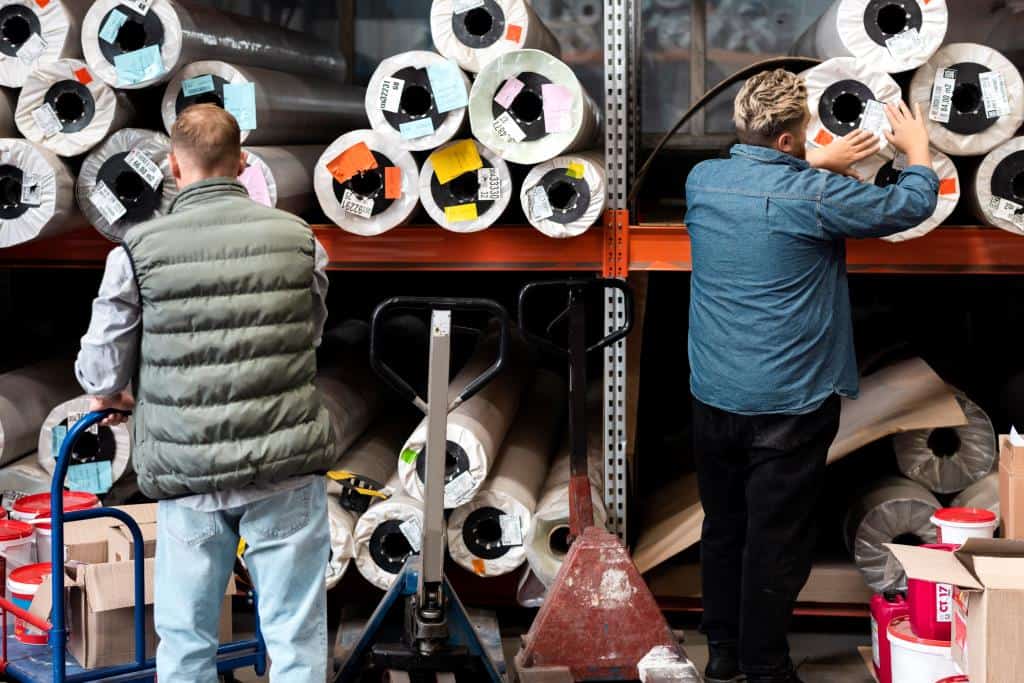

Digital inventory management uses real-time tracking, automated alerts, and multi-location sync to replace manual stock methods for apparel brands.



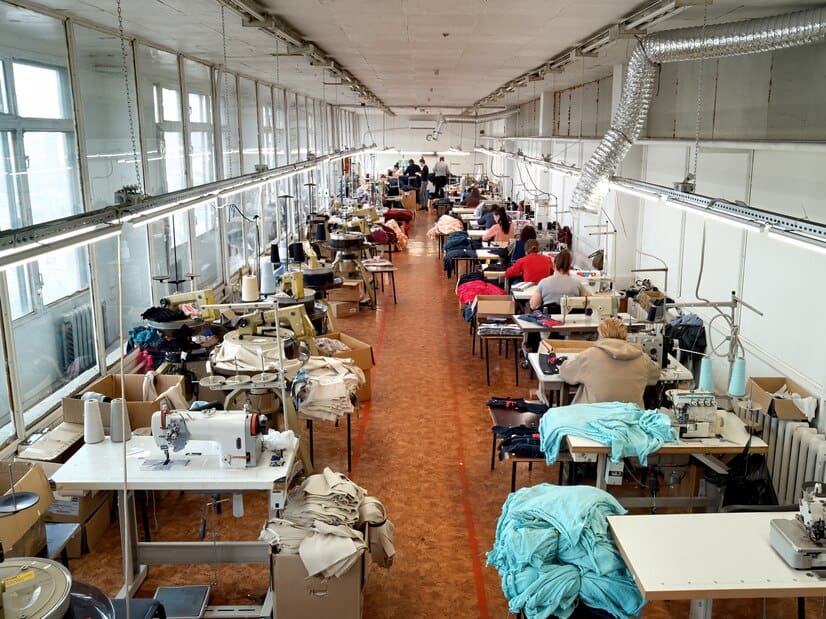
A walkthrough of garment manufacturing stages, from concept, design, and pattern making to sourcing, sampling, cutting, sewing, and finishing.





Material Requirement Planning explained: how MRP systems use BOMs, master schedules, and inventory data to plan production and control costs.


Cloud ERP explained: how it differs from on-premise systems, the benefits for scaling businesses, and the implementation challenges to plan for.

A breakdown of the 12 garment sample types used in apparel production, from proto and fit samples to size sets, salesman samples, and PP samples.


How purchase order financing works for apparel brands, including funding steps, benefits for cash flow and supplier payments, and financing options.

A garment spec sheet is the contract between brand and factory. This 2026 guide covers what belongs in a production-ready spec, why specs fail in bulk, and when apparel brands running $5M to $100M outgrow spreadsheet-based tech packs.

Inventory replenishment methods, reorder points, and safety stock practices that prevent stockouts, reduce overstock, and protect cash flow.

How Vendor Managed Inventory works, from data sharing and replenishment to the benefits, risks, and integration challenges apparel brands face.

Product Lifecycle Management software manages apparel products from design through manufacturing to retirement. Core functions, benefits, and uses.


How SKUs work in apparel inventory management, including structure, the difference between SKU and stock, and tips for managing them at scale.

A beginner's guide to pattern grading: what it is, the grading rules and increments that govern size runs, the cut-and-spread, pattern-shifting, and computer grading methods, and how grading mistakes show up downstream in apparel operations as fit complaints and returns.
How apparel brands plan, source, cut, sew, and ship garments efficiently, with strategies to cut costs and scale production without quality loss.
A practical guide to automated inventory management systems for apparel brands, covering how they work, core features, benefits, and rollout steps.



How apparel brands $10M to $20M handle wholesale pre-bookings, ship windows, EDI compliance, and cross-channel allocation against one inventory pool.


How RFID technology works in warehouse management, covering tags, readers, and antennas, plus the accuracy, visibility, labor, and security tradeoffs.

Just-In-Time inventory management explained: how JIT cuts holding costs, its risks, and the steps to implement it across supplier and production workflows.

An inventory list catalogs every SKU, quantity, unit cost, location, and reorder point. See what to include and how to build one in Uphance.

Contract manufacturing explained: how apparel brands outsource production, the 8-step process from sourcing to shipping, plus pros and cons.


Inventory liquidation explained: reasons to clear excess stock, when to act on overstock or end-of-season goods, and pricing strategies that work.


An order management system tracks orders across channels, syncs inventory in real time, coordinates fulfillment, and reports on sales performance.

Inventory discrepancies in apparel rarely come from bad counting. They come from fragmented inventory records across channels and warehouses. This guide names the eight real causes, the operational signature of each, and the structural fix that resolves most of them at once for wholesale plus DTC brands.

SKU rationalization helps apparel brands cut carrying costs, focus on profitable styles, and simplify operations. See the process step by step.

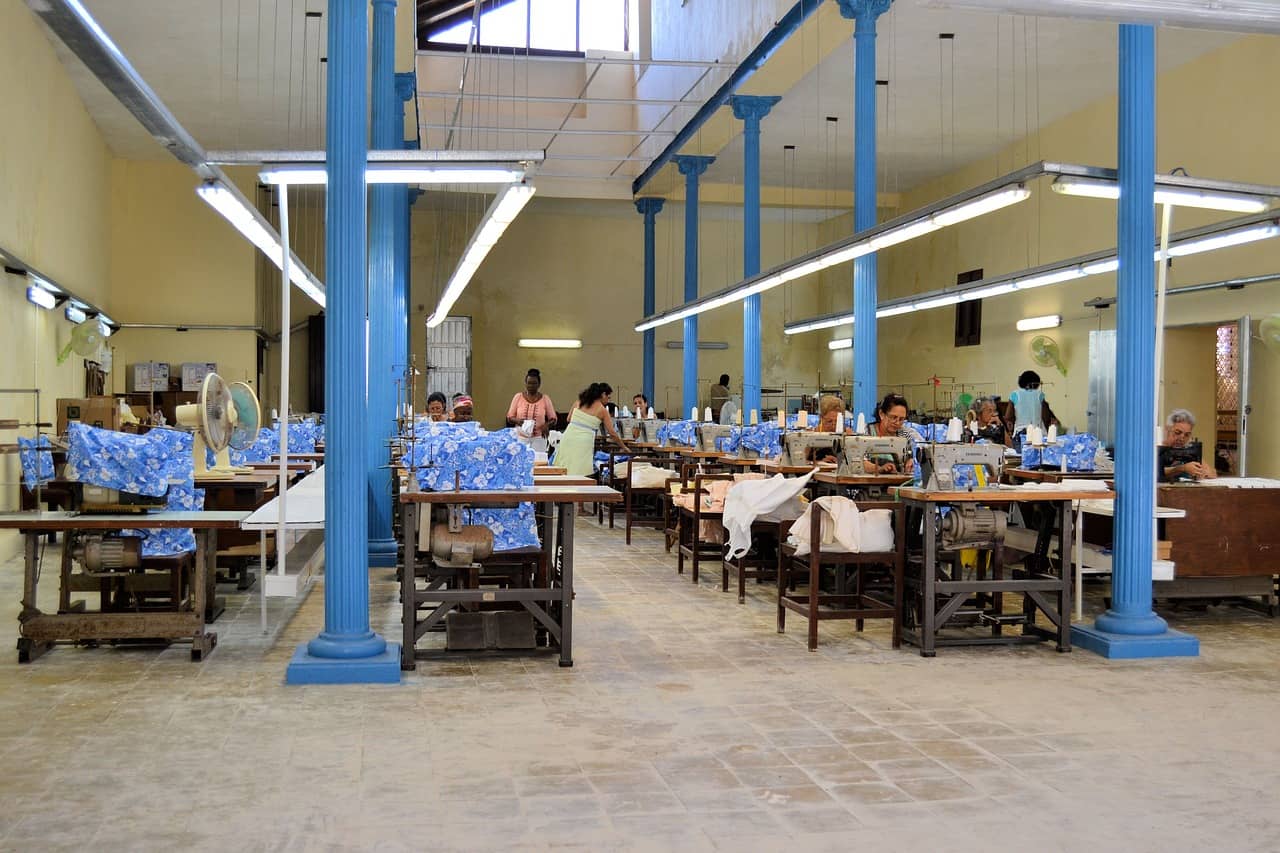


Pipeline inventory covers goods in transit or production. Learn how apparel brands calculate it, manage lead times, and protect cash flow.

Consignment inventory lets retailers stock supplier goods and pay only after a sale. Review how it works, contract terms, pros, cons, and examples.


Paperless manufacturing for apparel brands: what it is, the operational and cost benefits, and a step-by-step guide to digitizing production.

Excess inventory drains cash, fills warehouse space, and signals deeper issues. Review the root causes and tactics apparel brands use to clear it.




What a purchase order does in apparel operations: commitment, forward inventory signal, cost anchor, and audit trail across the production cycle.


Safety stock is buffer inventory that prevents stockouts during demand spikes or supplier delays. See the formula, a worked example, and key factors.

Work-in-progress inventory covers items mid-production, between raw materials and finished goods. Learn how to calculate, track, and manage WIP.


How virtual showrooms expand wholesale engagement through 3D product views, global buyer access, lower overhead, and always-current catalogs.

ERP software explained: how integrated modules, a shared database, and workflow automation connect finance, inventory, production, and CRM.

A beginner's guide to pattern making in garments: what it is, why it matters, the tools, the blocks, dart manipulation, and how patterns connect to production, grading, and inventory in an apparel operations workflow.
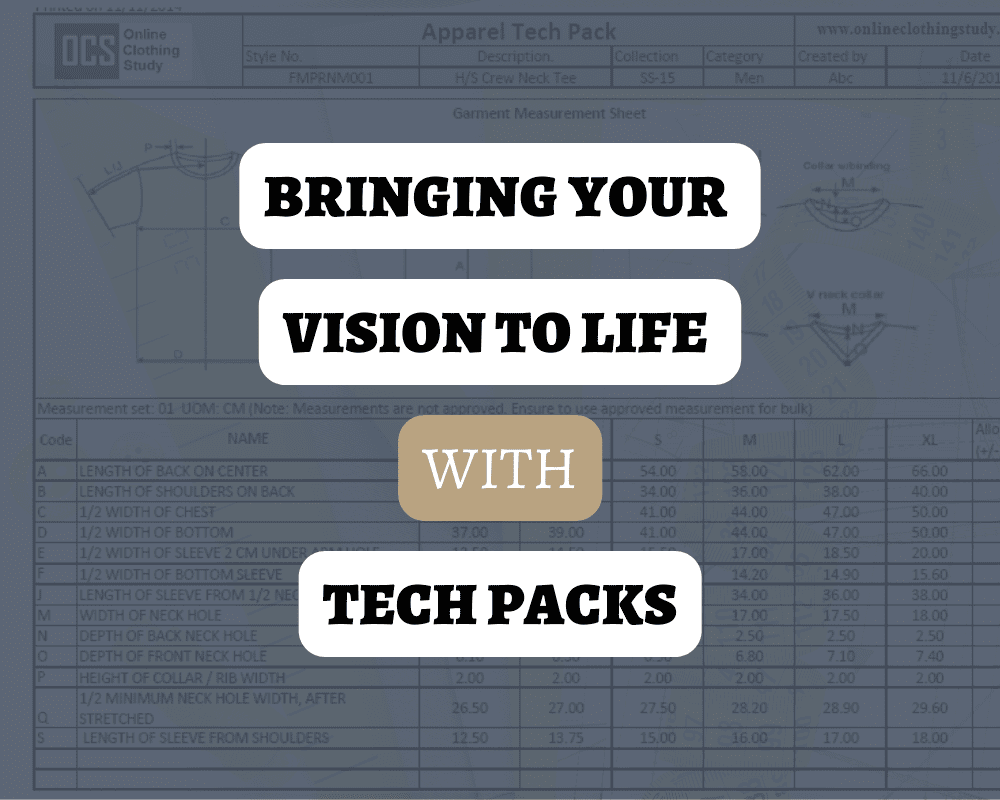
A step by step guide to building apparel tech packs, covering technical sketches, BOM, colorways, measurements, care, branding, and cost sheets.

How to calculate wholesale prices for apparel: factor in materials, labor, overhead, shipping, and margins to protect profit across channels.

What to include in a fashion line sheet, how it differs from a catalog, and practical tips to build one that converts wholesale buyers.