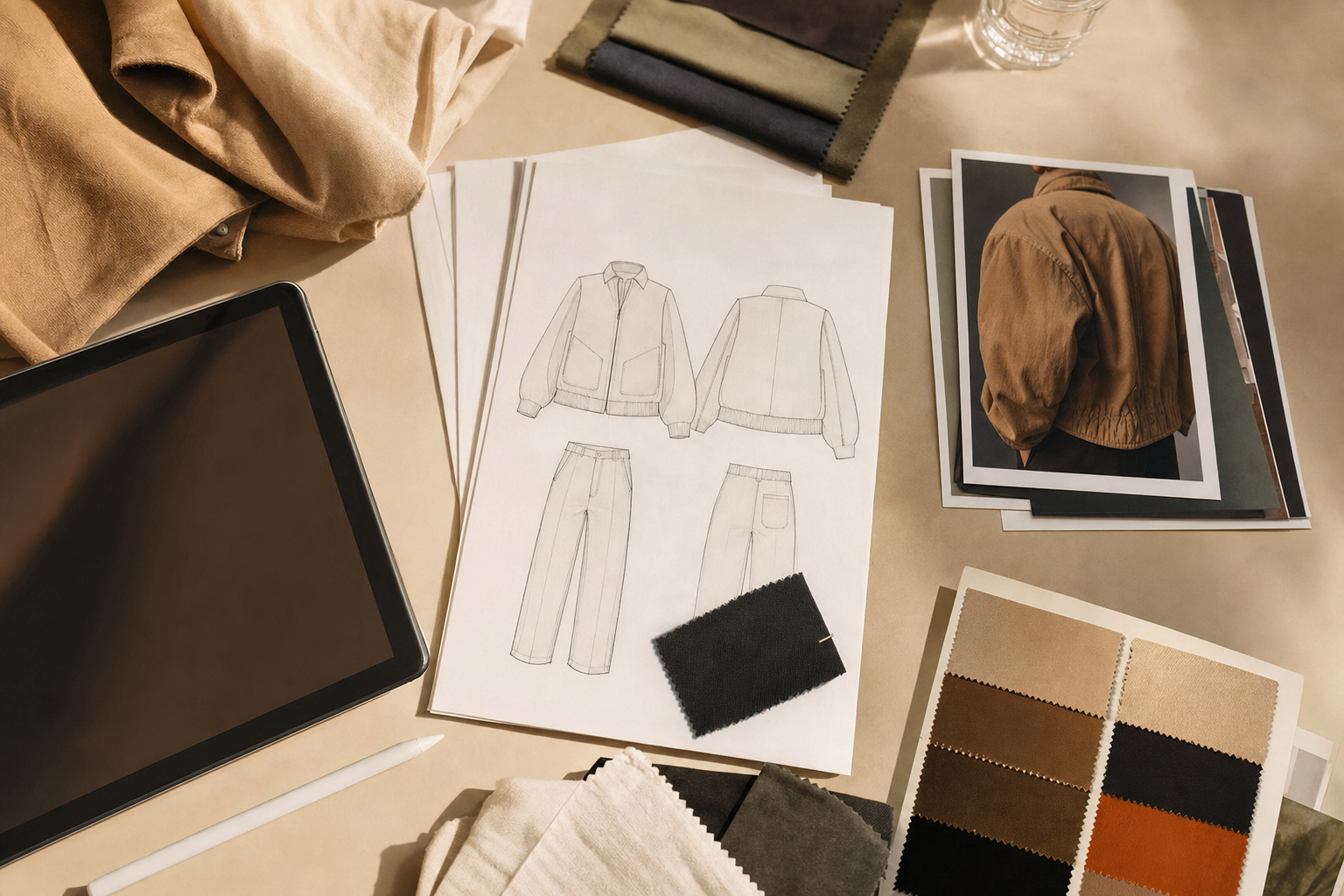
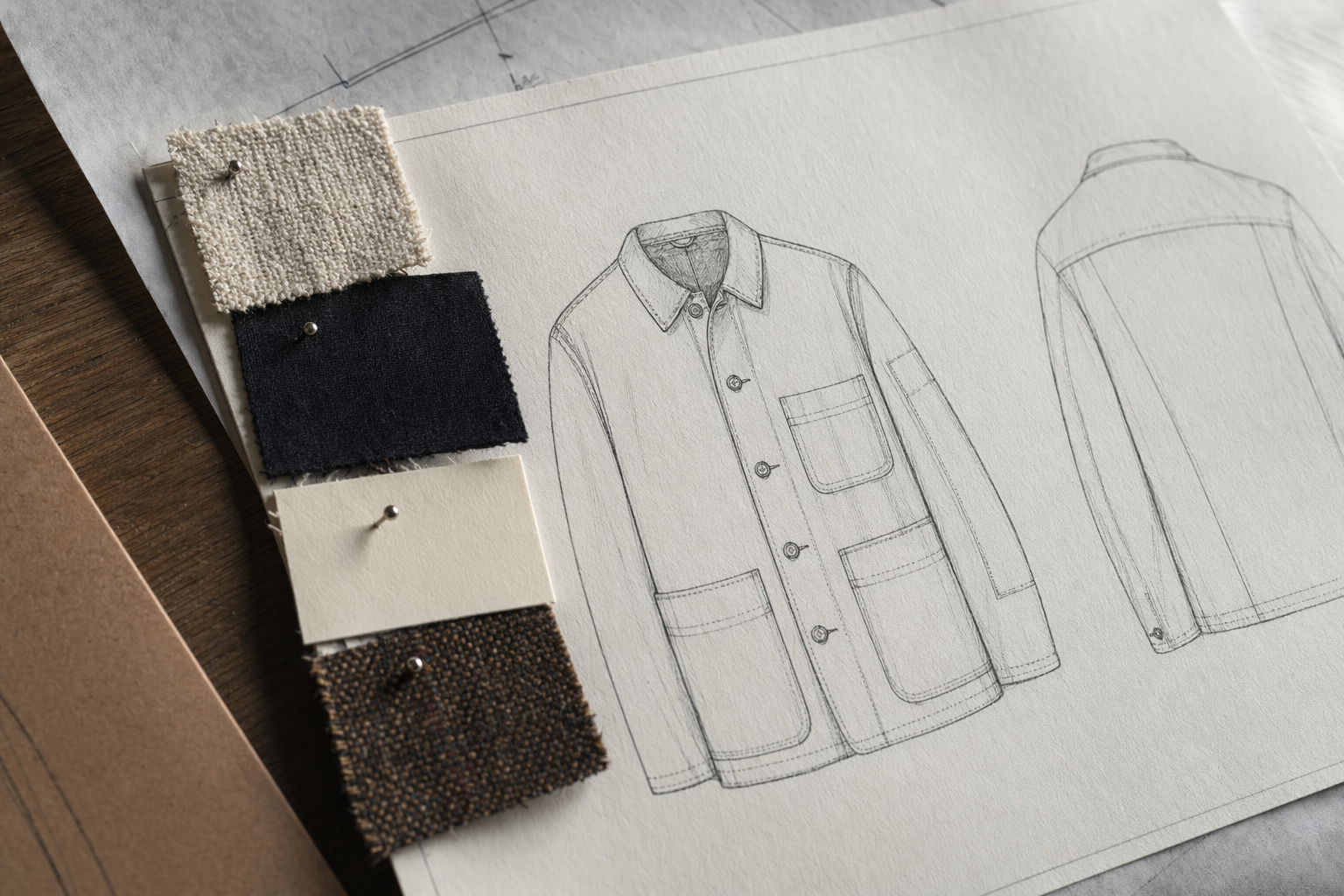
Apparel PLM (product lifecycle management) software manages product development from concept through launch, tech packs, bills of materials, sample tracking, approvals, and the handoff from design to production. This category covers how growing apparel brands run PLM so product teams, factory partners, and operations teams work from the same source of truth instead of version-scattered files.
Short, specific answers to the questions we hear most often. Click any question to expand.
What is apparel PLM software?
Apparel PLM software manages the product lifecycle for fashion brands from concept through launch. It centralizes tech packs, bills of materials, specs, sample tracking, approvals, and supplier communication so design, merchandising, production, and operations teams work from one source of truth.
What belongs in a tech pack?
A complete apparel tech pack includes construction details, size specs and grade rules, stitching and finishing callouts, the bill of materials (fabric, trims, labels), color and print specs, care and content labels, and packaging or polybag requirements. Missing any of these pushes revisions back onto the factory and lengthens sample cycles.
Do small apparel brands need PLM software?
Once a brand exceeds 20 to 30 active styles per season or works with more than one factory, PLM starts paying back. Before that point, well-structured shared folders can work. The break point is when version mismatches between design and production start causing sample errors or delivery delays.
How does PLM reduce sample rounds and costs?
PLM reduces sample rounds by forcing complete tech packs and BOMs before the first sample is requested, flagging version drift between design and production, and keeping approval history auditable. Brands typically cut one to two sample rounds per style after adopting a well-structured PLM workflow.
What is the difference between PLM and PIM?
PLM (product lifecycle management) covers product development from concept through launch, focused on tech packs, BOMs, and factory handoff. PIM (product information management) covers commercial product data after launch, focused on channel-ready descriptions, attributes, imagery, and marketplace feeds. Mid-market apparel platforms increasingly combine both.
Can PLM integrate with the factory?
Yes. Modern apparel PLM supports factory-facing access to tech packs and BOMs, sample request tracking, and approval workflows with comments. Some factories accept PLM data via PDF exports; others integrate via API. The goal is reducing email and spreadsheet traffic between brand and factory.


 PLM
PLM