What is Shop Floor Control Management and Why Is It Important?
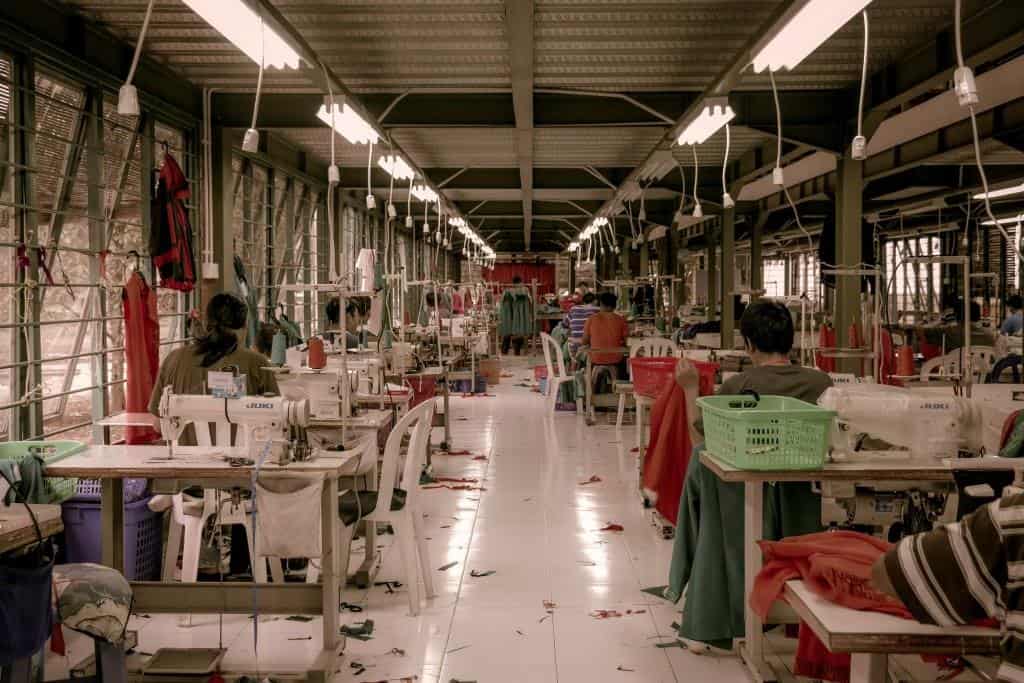
Optimizing your production processes is essential if you wish to stay agile and profitable as a manufacturer. More often than not, optimization begins at the shop floor, that is, the area in your factory where the actual production happens. There are many systems, such as shop floor control and manufacturing execution systems, designed to help manufacturers manage production.
This is what Shop Floor Control (SFC) is all about. It ensures that production operations run smoothly, efficiently, and with minimal waste, all while maintaining product quality and timely delivery. Shop floor control and related systems contribute to better decision making and overall efficiency in manufacturing.
Let’s dive deeper into what SFC is, why it’s essential, and how you can implement it effectively in your production process.
What is a Shop Floor?
In manufacturing, the term shop floor refers to the physical area within a factory where production takes place. It’s where raw materials are transformed into finished goods through various processes, including assembly, machining, welding, and more.
Managing the flow of materials inside the shop floor is essential for efficient production. The shop floor is the heart of any manufacturing operation, and it includes not just the equipment and machinery but also the workers and supervisors who operate them.
Daily shop work lists help supervisors and workers stay organized and ensure timely completion of production tasks.
What is Shop Floor Control?
Shop Floor Control (SFC) refers to the set of systems and processes used to manage and monitor production activities on the manufacturing floor. It includes everything from Shop floor control software to tracking production orders and work-in-progress (WIP) to managing resource allocation, worker productivity, and machinery performance.
Shop floor control systems consist of several key components that work together to manage and optimize manufacturing operations.
The core purpose of SFC is to ensure that manufacturing processes align with production plans and targets, optimize efficiency, reduce waste, and ensure quality control by controlling production activities such as tracking machine performance and work order progress.
Monitoring the current resource status is essential for effective production planning and resource allocation.
Accurate production data is essential for continuous improvement and operational oversight.
What are the Three Phases of Shop Floor Control?
The implementation of SFC is typically broken down into three key phases: Order Release, Order Scheduling, and Order Reporting. Each phase plays a critical role in ensuring that production runs efficiently and on time.
Order control is a central function of shop floor control, ensuring that production orders are managed and executed efficiently throughout all phases.
Let’s take a closer look at these phases:
1. Order Release
The first phase of shop floor control is Order Release, where production orders are officially assigned to the shop floor. During this phase:
Work orders, job assignments, and production instructions are distributed to the relevant workstations.
Raw materials and resources needed for the production tasks are made available.
Operators receive detailed instructions on what needs to be produced, timelines, and quality requirements.
This phase often involves rate creation, where production rates and work order parameters are set for each task.
This phase is critical because it sets the foundation for production, ensuring that everything is in place to start the manufacturing process efficiently. Any delays or miscommunications during this phase can cause issues downstream in production.
2. Order Scheduling
The second phase is Order Scheduling, which involves planning and organizing the production process to optimize efficiency. Key tasks in this phase include:
Determining the sequence of tasks and allocating them to available machines and workers. Production capacity is carefully considered to ensure that scheduled tasks align with available resources.
Coordinating resources like materials, labor, and equipment to ensure that there are no bottlenecks.
Prioritizing work orders based on deadlines and customer demands. Comparing actual progress to planned values helps identify scheduling discrepancies and optimize future planning.
Effective scheduling is essential to ensuring that production tasks are completed in the most efficient way possible, without delays or idle time. It helps in minimizing production lead times and ensuring on-time delivery of products.
3. Order Reporting
The final phase of shop floor control is Order Reporting, which focuses on monitoring and recording the progress of production orders. In this phase:
Data is collected on the status of work orders, machine performance, labor efficiency, and quality checks. Real time monitoring tools provide immediate updates on work order status and shop floor performance.
Reports are generated to provide insights into how well the production process is meeting goals. Tracking production time for each order is essential for evaluating efficiency and identifying delays.
Any issues or deviations from the production plan (such as machine breakdowns, delays, or quality issues) are recorded and addressed.
Order reporting provides real-time feedback on the shop floor’s performance, enabling managers to make informed decisions, track key performance indicators (KPIs), and adjust production processes to improve efficiency.
Why is Shop Floor Control Management Important?
Why should you invest time and money into strengthening your shop floor control management efforts? Here are some solid reasons:
1. Increased Operational Efficiency
Shop Floor Control allows you to track production activities in real-time, identifying bottlenecks, machine downtimes, and inefficiencies. By quickly addressing these issues, you can simplify operations, reduce production delays, and ensure that work progresses smoothly, boosting overall productivity.
These improvements directly increase productivity on the shop floor by automating processes, reducing errors, and providing actionable insights for data-driven decision-making.
2. Better Resource Utilization
SFC helps you manage your workforce, machinery, and materials effectively. With real-time data on production tasks and available resources, you can allocate labor and machines to the right tasks, avoiding overstaffing or underutilization. This leads to better use of resources, lower costs, and more consistent production output.
3. Enhanced Quality Control
Integrated quality checks are a critical feature of SFC systems. By tracking quality throughout the production process, you can identify defects early, reduce rework, and ensure that finished products meet customer standards. This leads to fewer returns, higher customer satisfaction, and lower overall costs.
4. Real-Time Data and Decision-Making
One of the biggest advantages of SFC is the ability to collect and analyze real-time data from the shop floor. Managers can access dashboards with live production metrics, allowing for data-driven decision-making. This real-time visibility into operations helps you respond faster to changes, ensuring that production targets are met.
5. Reduced Downtime and Bottlenecks
SFC systems monitor machine performance and worker productivity, providing alerts when machines are underperforming or about to break down. This proactive approach to maintenance reduces unplanned downtime and minimizes production costs caused by equipment failure or mismanagement.
6. Improved Work-in-Progress (WIP) Management
By tracking every step of production, SFC ensures that work-in-progress (WIP) items move smoothly through different stages of the manufacturing process. This reduces the likelihood of unfinished products piling up, preventing bottlenecks that can slow down production.
7. Cost Savings
SFC optimizes production processes, reduces waste, and improves resource allocation, leading to lower operational costs. Additionally, the ability to predict and prevent issues, such as machine breakdowns and quality defects, further reduces costs associated with downtime, rework, and material waste.
How to Manage Your Shop Floor Effectively
1. Implement Real-Time Data Tracking
One of the most important aspects of managing a shop floor is having real-time visibility into production. Implementing a Shop Floor Control (SFC) system that provides real-time data on machine performance, work-in-progress (WIP), and labor productivity is essential. With this data, you can:
Monitor key performance indicators (KPIs) such as cycle times, production rates, and equipment utilization.
Identify bottlenecks or delays and address them immediately.
Make informed decisions to adjust production schedules or resource allocation as needed.
2. Optimize Workflows
Efficient workflows are the backbone of an effective shop floor. Ensure that your workflows are optimized to minimize downtime and unnecessary movement of materials or workers. Here are some ways to simplify workflows:
Use value stream mapping to identify inefficiencies in the production process.
Organize workstations logically, based on the sequence of operations.
Implement lean manufacturing principles, such as 5S, to reduce waste and maintain a clean and organized shop floor.
3. Maintain Equipment Effectively
Proper equipment maintenance is critical for preventing breakdowns and costly downtime. Implement a preventive maintenance schedule that ensures all machines and equipment are regularly serviced. You can enhance this by:
Using IoT (Internet of Things) devices to monitor the condition of machinery in real time and detect potential issues early.
Implementing predictive maintenance tools that use data analytics to anticipate when a machine will need service.
4. Foster Effective Communication
Clear communication between shop floor operators, supervisors, and management is essential for smooth operations. Miscommunication can lead to errors, delays, and quality issues. Here’s how you can improve communication:
Use real-time communication tools or platforms that allow workers to report issues, track production progress, and update supervisors on potential delays.
Establish regular meetings or huddles where teams can discuss production goals, challenges, and daily plans.
Ensure that work orders and instructions are clear and detailed, so there is no confusion about the tasks at hand.
Monitor production processes at all times to improve shop floor efficiency
5. Focus on Quality Control
Ensuring product quality throughout the production process is essential to reducing rework and scrap. You can enhance quality control by:
Implementing in-line quality checks at each stage of production to catch defects early.
Training operators to spot potential quality issues and enabling them to stop production if a problem is detected.
Analyzing quality data regularly to identify patterns or recurring issues that need attention.
6. Use Automation and Technology
Automation can significantly increase efficiency and reduce errors on the shop floor. This is where shop floor control systems come in handy. A shop floor control system does the following:
-
Speeds up repetitive and labor-intensive tasks.
-
Reduces human error, especially in complex processes.
-
Improves overall production speed and accuracy.
Additionally, embracing Industry 4.0 technologies like IoT and AI-driven analytics allows for smarter and more responsive production environments.
7. Train and Equip Your Workforce
Your workforce is one of your most valuable assets on the shop floor. Regular training and development programs ensure that your employees are up-to-date with the latest technologies, safety protocols, and best practices. To help your workforce:
Provide ongoing training in new tools, systems, and production techniques.
Create an environment where employees can take ownership of their tasks and make decisions to improve processes.
Encourage collaboration and problem-solving among teams, leading to innovation and continuous improvement.
Key Features of Shop Floor Control Software
Shop floor control software plays a vital role in modern manufacturing operations by providing the tools needed to achieve operational excellence. These systems are designed to give manufacturers real-time visibility into every aspect of the production process, enabling them to optimize production processes and maintain high standards of quality control.
Key features of shop floor control software include:
Real-Time Data Collection: The software continuously gathers real time data from machines, workstations, and shop floor operators. This up to date information allows managers to monitor production activities as they happen, quickly identify issues, and make informed decisions to keep production on track. Real time data collection also helps in tracking production targets and analyzing data for continuous improvement.
Production Process Monitoring: Shop floor control software provides thorough oversight of all production processes. It tracks the flow of materials, labor resources, and equipment utilization across the shop floor, ensuring that every step of the manufacturing process is running efficiently. By monitoring the production environment in real time, manufacturers can quickly spot bottlenecks, optimize production processes, and improve workflow efficiency.
Quality Control Integration: Built-in quality control features enable shop floor operators to perform quality checks at various stages of the production process. This minimizes errors and ensures that only products meeting quality standards move forward. By reducing human errors and catching defects early, the software helps maintain consistent product quality and reduces costly rework.
By using these features, shop floor control software helps manufacturers to simplify operations, reduce waste, and drive continuous improvement. The result is a more efficient, responsive, and productive shop floor, key ingredients for staying competitive in today’s fast-paced manufacturing landscape.
Conclusion
Shop Floor Control is the backbone of efficient manufacturing. As factories embrace advanced technologies and data-driven processes, SFC will continue to play a critical role in achieving operational excellence. By investing in SFC systems and overcoming the challenges of implementation, manufacturers can position themselves for long-term success in an increasingly competitive market.
Frequently asked questions
Where this fits in the Uphance platform
Venkat is the Founder and CEO of Uphance and the author of the 6 Breakpoints of Apparel Operations framework. He writes about operational clarity for apparel brands as complexity grows across channels, warehouses, partners, and teams. His work focuses on why disconnected operations, not growth itself, create the chaos most mid-market brands feel between $5M and $100M in revenue, and on the operating-model patterns that decide whether scaling a brand strengthens execution or fractures it. He argues that the status quo is the real competitor in apparel software, and that the right move is fewer systems with deeper connection, not more dashboards.
Ruchit writes about product strategy for apparel operations, covering how mid-market fashion brands use connected workflows to manage product development, inventory, orders, warehouse execution, and reporting. As Head of Product at Uphance, he shapes the roadmap that ties PLM, PIM, BOM management, allocation, fulfillment, and warehouse operations into one system. His articles dig into apparel-specific operational mechanics: tech packs, spec sheets, putaway, pick-pack, landed cost, and the data plumbing that makes inventory truth possible across multiple channels and locations. He focuses on the workflow-level questions that separate generic ERPs from systems built for how apparel brands actually run.